

Every year, an estimated 10 million pets go missing across the United States. For dog owners, the fear of losing their furry friend is very real - and where you live can make a significant difference to whether your dog makes it home safely.
Brand-new analysis conducted by Dog-G8 reveals that pups in certain US states are more than 22 times more likely to go missing than others.
To understand these metrics, Dog-G8 analysed lost dog rates, shelter performance, adoption activity, and the use of preventative safety measures across 48 U.S. states to create the 2026 U.S. Dog Safety Index.
The 2026 U.S. Dog Safety Index is based on the most recent full-year state-level data available at the time of analysis (2025).
The results highlight dramatic contrasts across the US, with North Dakota ranked the safest state for dogs, but Rhode Island at the bottom of the pile, with lost dog rates among the highest in the country.
This report explores which states offer the safest environments for dogs, what drives real-world safety outcomes, and, most importantly, what owners everywhere can learn from the data.
Top 10 Safest US States to Own a Dog in 2026
|
Rank |
State |
Dog Safety Score |
|
1 |
North Dakota |
8.01 |
|
2 |
Idaho |
7.92 |
|
3 |
Montana |
7.91 |
|
4 |
Iowa |
7.90 |
|
5 |
New Mexico |
7.32 |
|
6 |
South Dakota |
7.25 |
|
7 |
Missouri |
7.08 |
|
8 |
Wyoming |
7.06 |
|
9 |
Wisconsin |
6.87 |
|
10 |
Nevada |
6.72 |
(Data correct as of January 2026.)
North Dakota Ranked Safest State for Dogs
North Dakota achieved the highest Dog Safety Score in the country, setting the US benchmark for dog safety.
Key metrics for North Dakota include:
-
346 lost dogs per 100,000 dog-owning households - one of the lowest rates nationwide
-
100% of shelters operate as no-kill facilities
-
60.5% of dogs fitted with tracking devices
-
An average of 182 adoptions per shelter
Together, these indicators reflect a strong combination of prevention, infrastructure and responsible ownership. Lower lost dog rates reduce the likelihood of permanent separation, while a fully no-kill shelter system ensures a strong safety net if dogs do become lost.
Peter Maxted, Director of Dog-G8, explains: “Most dogs don’t go missing because of a lack of laws… they go missing because of everyday gaps in prevention. Secure spaces at home and practical safety measures make a significant difference to whether a dog stays safe.
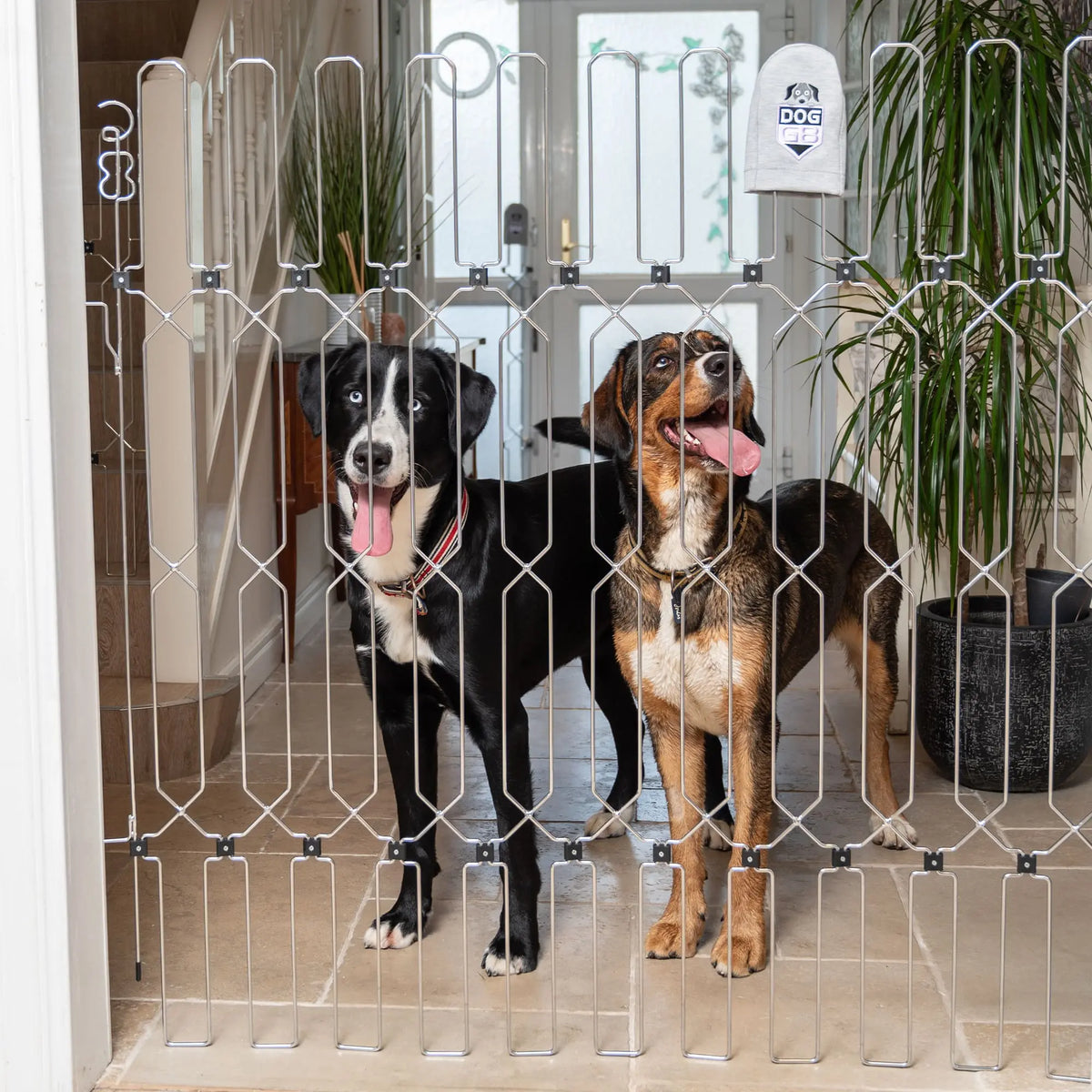
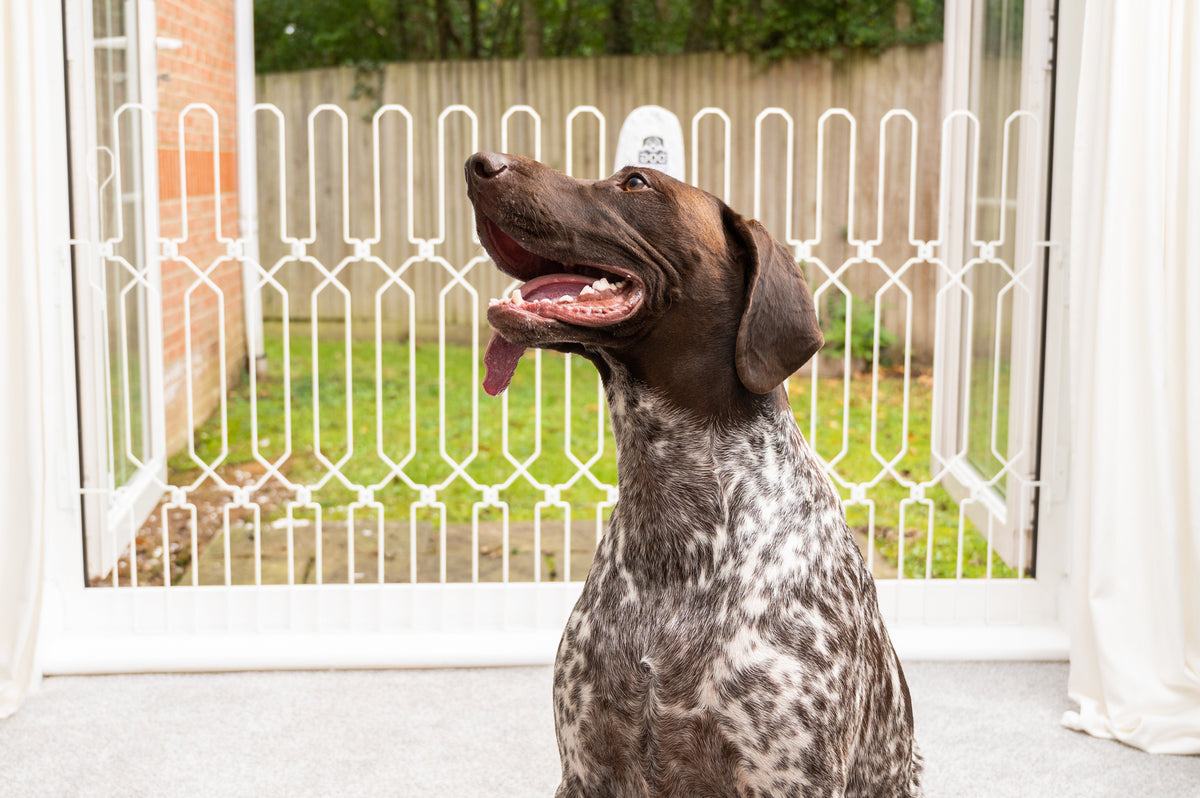
“For many households, the front door is the most common escape point - making targeted solutions like the front door DOG-G8 gate particularly effective.”

Rhode Island: Where Dogs Are Most at Risk
At the opposite end of the spectrum, it’s Rhode Island that recorded the lowest overall safety score.
Key metrics for Rhode Island include:
-
7,807 lost dogs per 100,000 dog-owning households - the highest rate recorded nationwide, over 22 times the rate of North Dakota
-
100% of shelters operate as no-kill facilities
-
53.5% of dogs fitted with tracking devices
-
An average of 92 adoptions per shelter
What’s interesting to note is that, despite ranking more favourably in formal animal protection law comparisons, it’s Rhode Island’s dramatic lost dog rate that has drastically impacted its poor overall safety score.
This contrast ultimately tells us - stronger legislation does not automatically mean stronger dog safety outcomes.
Several other lower-ranking states also had higher lost dog rates, which further suggests that prevention and containment at US households is a major catalyst in safety.
What Actually Determines Dog Safety?
Four key identifiers consistently influence real-world dog safety outcomes. These are as follows:
Lost Dog Rates
This was the primary indicator used in the Dog Safety Index 2026, which was the number of lost dogs per 100,000 households.
This metric took into account the everyday safety risks such as escape incidents, containment issues and the likelihood of the dog coming back.
Shelter Infrastructure
Shelter infrastructure means the proportion of shelters across the US operating as no-kill facilities. A higher percentage increases the likelihood that lost dogs are safely rehomed.
Adoption Activity
Higher adoption figures in shelters suggest strong community engagement and support, which reduces long-term shelter overcrowding. In essence, stable adoption services mean safer long-term outcomes for dogs.
Preventative Safety Measures
This incorporated the estimated number of dogs fitted with tracking devices, as higher tracking adoption is associated with faster recovery times and lower permanent loss rates.
Containment inside the home also plays a critical role, particularly in high-traffic areas such as hallways and stairways. Products like the DOG-G8 Plus Doorway Gate help prevent sudden escape incidents during everyday activity.

Full State-by-State Dog Safety Rankings (2026)
|
Rank |
State |
Average Adoptions (2025) |
Tracking Device % |
Lost Dogs per 100k |
No-Kill % |
Animal Protection Law Ranking |
Dog Safety Score |
|
1 |
North Dakota |
182 |
60.50% |
347 |
100.0% |
3 |
8.01 |
|
2 |
Idaho |
245 |
58.50% |
2,080 |
100.0% |
3 |
7.92 |
|
3 |
Montana |
256 |
56.00% |
1,575 |
96.0% |
3 |
7.91 |
|
4 |
Iowa |
220 |
65.00% |
836 |
83.7% |
3 |
7.90 |
|
5 |
New Mexico |
323 |
56.50% |
1,700 |
57.1% |
3 |
7.32 |
|
6 |
South Dakota |
194 |
55.00% |
114 |
75.0% |
3 |
7.25 |
|
7 |
Missouri |
216 |
52.00% |
2,597 |
91.4% |
3 |
7.08 |
|
8 |
Wyoming |
222 |
61.00% |
936 |
96.6% |
2 |
7.06 |
|
9 |
Wisconsin |
190 |
60.50% |
646 |
95.5% |
2 |
6.87 |
|
10 |
Nevada |
256 |
66.00% |
3,611 |
92.9% |
2 |
6.72 |
|
11 |
South Carolina |
223 |
56.50% |
1,108 |
50.0% |
3 |
6.59 |
|
12 |
Washington |
173 |
83.00% |
734 |
90.6% |
1 |
6.55 |
|
13 |
Utah |
210 |
64.00% |
7,013 |
96.6% |
3 |
6.53 |
|
14 |
Minnesota |
194 |
52.00% |
1,138 |
93.7% |
2 |
6.37 |
|
15 |
Nebraska |
230 |
53.00% |
911 |
80.6% |
2 |
6.37 |
|
16 |
Kentucky |
217 |
45.50% |
2,329 |
72.3% |
3 |
6.37 |
|
17 |
Pennsylvania |
146 |
69.00% |
955 |
75.6% |
2 |
6.31 |
|
18 |
New York |
115 |
73.50% |
1,319 |
78.2% |
2 |
6.26 |
|
19 |
New Hampshire |
128 |
56.50% |
1,146 |
93.3% |
2 |
6.08 |
|
20 |
Texas |
256 |
73.00% |
1,507 |
72.3% |
1 |
6.01 |
|
21 |
Georgia |
208 |
60.00% |
2,731 |
40.1% |
3 |
5.94 |
|
22 |
Vermont |
92 |
62.50% |
2,693 |
100.0% |
2 |
5.87 |
|
23 |
Alabama |
255 |
42.00% |
2,080 |
43.4% |
3 |
5.77 |
|
24 |
Ohio |
166 |
51.50% |
949 |
77.3% |
2 |
5.76 |
|
25 |
Kansas |
257 |
51.00% |
4,266 |
86.1% |
2 |
5.74 |
|
26 |
Colorado |
276 |
56.00% |
2,588 |
94.0% |
1 |
5.73 |
|
27 |
Mississippi |
215 |
44.00% |
3,746 |
62.3% |
3 |
5.65 |
|
28 |
Arkansas |
205 |
35.50% |
3,138 |
68.0% |
3 |
5.54 |
|
29 |
Michigan |
146 |
48.50% |
1,887 |
85.6% |
2 |
5.47 |
|
30 |
Indiana |
184 |
47.00% |
2,285 |
76.3% |
2 |
5.32 |
|
31 |
Oregon |
198 |
59.50% |
2,294 |
82.5% |
1 |
5.10 |
|
32 |
West Virginia |
171 |
39.00% |
2,904 |
89.6% |
2 |
5.09 |
|
33 |
Delaware |
166 |
38.00% |
4,106 |
100.0% |
2 |
4.98 |
|
34 |
Tennessee |
202 |
48.50% |
3,806 |
71.3% |
2 |
4.97 |
|
35 |
Massachusetts |
115 |
55.50% |
1,448 |
92.6% |
1 |
4.85 |
|
36 |
Illinois |
154 |
63.50% |
2,272 |
77.5% |
1 |
4.84 |
|
37 |
Maine |
119 |
55.50% |
2,113 |
96.0% |
1 |
4.80 |
|
38 |
Louisiana |
214 |
52.50% |
809 |
62.1% |
1 |
4.76 |
|
39 |
Oklahoma |
218 |
40.00% |
2,963 |
63.5% |
2 |
4.74 |
|
40 |
Virginia |
170 |
59.00% |
2,650 |
79.9% |
1 |
4.73 |
|
41 |
Connecticut |
164 |
52.00% |
3,010 |
95.8% |
1 |
4.73 |
|
42 |
Arizona |
207 |
58.50% |
3,974 |
82.1% |
1 |
4.68 |
|
43 |
Florida |
183 |
46.00% |
1,035 |
78.5% |
1 |
4.65 |
|
44 |
Maryland |
130 |
55.50% |
1,865 |
44.1% |
2 |
4.55 |
|
45 |
California |
204 |
46.50% |
802 |
62.2% |
1 |
4.44 |
|
46 |
New Jersey |
99 |
59.00% |
3,340 |
85.5% |
1 |
4.21 |
|
47 |
North Carolina |
35 |
55.50% |
1,969 |
25.6% |
2 |
3.36 |
|
48 |
Rhode Island |
92 |
53.50% |
7,807 |
100.0% |
1 |
3.16 |
(Data correct as of January 2026.)
What Dog Owners Can Learn From the Data
So what are the main takeaways for dog owners? Well, some consistent themes have emerged from the data:
-
Prevention prevails - Having secure containment at home drastically reduces the escape risk. Explore our full range of secure containment solutions in the Shop All Dog Gates collection.
-
Get them chipped - Tracking technology means you’re more likely to be reunited with your furry friends
-
Trust in shelters - Strong shelter systems provide critical safety nets.
-
Be a responsible owner - Responsible ownership behaviours influence real-world outcomes more than legislation alone.
Above all, no matter the location, the overriding factor is that proactive safety measures will reduce the risk of lost dogs.

How the Dog Safety Rankings Were Calculated
The 2026 U.S. Dog Safety Index was created using publicly available state-level data to assess real-world dog safety outcomes across 48 U.S. states.
Each state was evaluated using four key indicators:
-
Lost dogs per 100,000 dog-owning households (primary safety risk measure)
-
Proportion of no-kill shelters, reflecting local welfare infrastructure
-
Average adoptions per shelter in 2025, indicating rehoming system health
-
Estimated use of tracking devices, measuring preventative safety behaviour
Each metric was standardised to ensure fair comparison between states and combined into a composite Dog Safety Score. Higher scores indicate safer outcomes for dogs. Lower outcomes indicate riskier environments.
Animal protection law rankings were reviewed for context only and were not included in the scoring model.
Alaska and Hawaii were excluded due to insufficient and inconsistent data across multiple indicators.